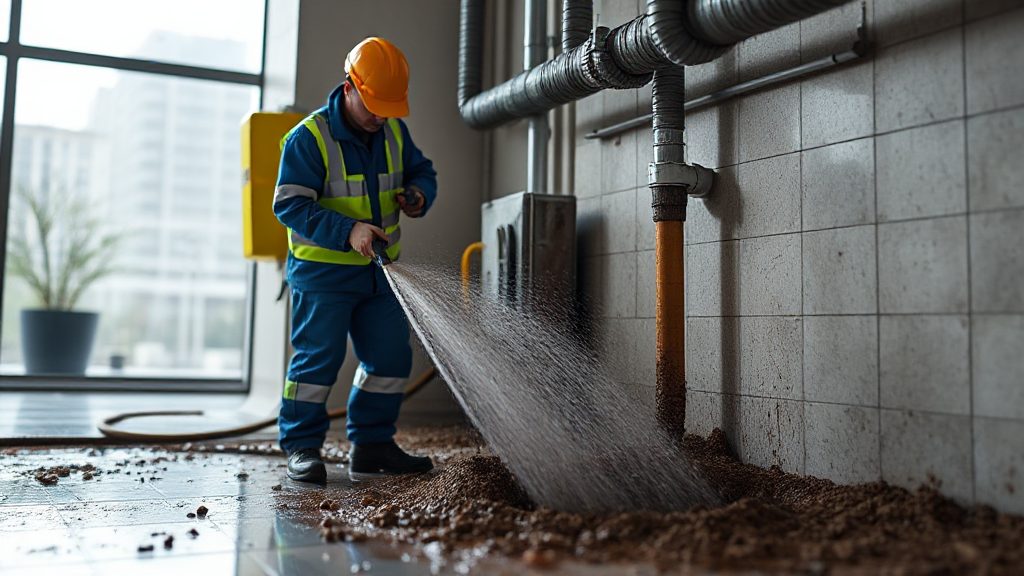
Drain Unclogging in Paulínia: A Working Checklist
What changed recently in Paulínia is the way property managers and homeowners handle drainage problems: they no longer wait for a full blockage before calling a technician. The city’s mix of older residential streets and newer commercial blocks means pipes carry different loads, and a slow drain can turn into a backup within hours. If you are learning how to manage this, the first step is to call a professional desentupidora Paulínia early, before the problem spreads to other fixtures.
This checklist is written for beginners who need a repeatable way to assess, respond, and prevent drain issues. It pairs common mistakes with the correction that experienced technicians use in the field.
Start With the Right Diagnosis Before Any Tool Touches the Drain
Most beginners grab a plunger or a chemical bottle as soon as water rises. That is mistake number one. The correction is to identify which fixture is affected and whether the backup is local or part of the main line. A single slow sink is usually a local trap issue; multiple drains backing up at once point to the main sewer connection.
Mistake: Assuming Every Blockage Is the Same
Grease, hair, soap residue, and tree roots create different blockages. A plunger works on soft clogs near the trap, but it will not solve a root intrusion or a buildup of hardened grease in a larger pipe. The correction is to note what the drain carries and how often it slows down. That history helps a technician choose between mechanical cleaning and hydro jetting.
Mistake: Ignoring the Smell and the Sound
A gurgling sound or a persistent sewer smell is a warning that gas is escaping through a dry trap or a partial blockage. Beginners often cover the smell with air freshener. The correction is to check whether floor drains have water in the trap and to report the smell when you call a desentupidora Paulínia SP team. Odor is diagnostic information, not just a nuisance.
Build a Step-by-Step Response Checklist for Emergencies
When water is rising, panic leads to mistakes. A written order of operations keeps the situation controlled. Train yourself to follow the same sequence every time, whether the problem is in a kitchen, a bathroom, or a commercial restroom.
- Stop using water in the affected area immediately. Running a tap or flushing a toilet adds volume to a blocked line.
- Shut off the water supply to the fixture if a valve is accessible, and keep the area dry to avoid slips.
- Check other drains in the property to determine whether the blockage is local or in the main line.
- Call a 24-hour service and describe the symptoms: slow drainage, complete backup, odor, or gurgling.
- Keep children and pets away from the affected floor area until the technician arrives.
The most common beginner mistake is trying chemical drain cleaners first. The correction is to avoid them entirely on a fully blocked line, because caustic products can sit against the pipe and damage older joints. Mechanical removal is safer than chemical treatment for a full blockage.
Mistake: Waiting Until After Business Hours
Many people wait until the evening to call because they hope the drain will clear itself. The correction is to treat a complete backup as urgent. A desentupidora em Paulínia SP with emergency service can stop water from reaching walls and floors, which is where the real cost begins.
Know the Equipment and When Each Method Is Used
Beginners often think every job uses the same machine. In practice, the choice depends on pipe diameter, blockage type, and access point. Understanding the tools helps you ask better questions and avoid unnecessary work.
| Method | Best For | Limit |
|---|---|---|
| Manual auger or snake | Small traps and short runs | Cannot reach long horizontal lines |
| Hydro jetting | Grease, scale, and sediment in larger pipes | Requires a proper access point and water supply |
| Septic tank cleaning | Properties not connected to the main sewer | Needs scheduled maintenance, not just emergency calls |
Hydro jetting cleans the pipe wall, while a snake only opens a hole. That difference matters for recurring clogs. A drain that backs up every few months usually has buildup that a snake leaves behind.
Mistake: Choosing the Cheapest Quote Without Asking About Method
A low price often means a quick snake job with no follow-up. The correction is to ask which method will be used, whether the technician will inspect the line after clearing it, and whether the service includes a preventive recommendation. These questions separate a temporary fix from a durable one.
Prevent Repeat Problems With a Simple Maintenance Routine
Most emergency calls are preventable. A short monthly routine costs far less than a weekend backup. Train yourself to check the same points on a schedule, especially in properties with high water use.
- Pour hot water down kitchen drains weekly to slow grease accumulation.
- Use strainers in sinks and showers to catch hair and food particles.
- Have floor drains and rarely used fixtures checked for dry traps.
- Schedule septic tank cleaning at the interval recommended for the property’s occupancy.
- Keep a record of every clog, including date and location, to spot patterns.
A drain that clogs twice in one year is a signal, not bad luck. The correction for beginners is to stop treating each clog as an isolated event and start looking for the underlying cause, such as root intrusion or a sagging pipe section.
Mistake: Ignoring Common-Area Drains in Condominiums
Síndicos and building managers sometimes focus only on individual units. The correction is to include common-area drains, garage floor drains, and rainwater inlets in the maintenance plan. These points collect debris quietly and fail during heavy rain.
Frequently Asked Questions About Drain Services in Paulínia
How quickly should I call for a blocked drain?
Call as soon as water backs up and does not clear within a few minutes. Waiting allows water to reach floors and walls, and the repair cost grows with the affected area.
Can I use a chemical cleaner before the technician arrives?
It is safer to avoid chemical cleaners on a fully blocked line. They can damage older pipes and create a hazardous mixture when the technician begins mechanical work.
How do I know if the problem is in my property or the main sewer line?
If several drains back up at the same time, the issue is likely in the main line. If only one fixture is affected, the blockage is usually local. This distinction helps the technician prepare the right equipment.
Following this checklist turns a stressful emergency into a controlled process. The pattern is always the same: diagnose first, respond in order, choose the right method, and maintain the system so the next call is preventive rather than urgent.